How to Complete HCPC CPD Requirements Efficiently
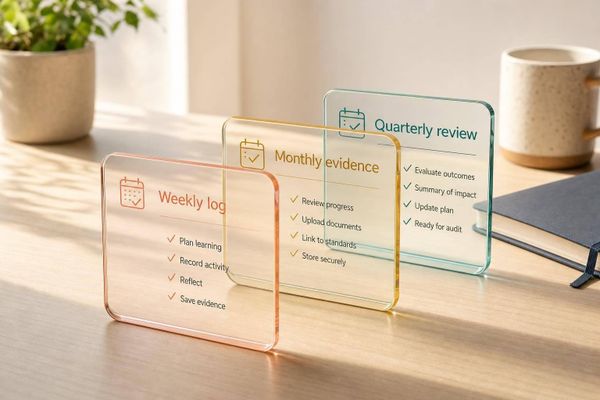
Small, regular CPD entries — weekly logs, monthly evidence and quarterly reviews — prevent last‑minute HCPC audit panic.
Nurse academic & RCN Wales Innovation Award winner.Nurse academic & RCN Wales Innovation Award winner. Senior Lecturer, 13yrs Cardiff University. Taught undergrad to doctoral level globally. Professional Doctorate, MSc Critical Care.
Small, regular CPD entries — weekly logs, monthly evidence and quarterly reviews — prevent last‑minute HCPC audit panic.
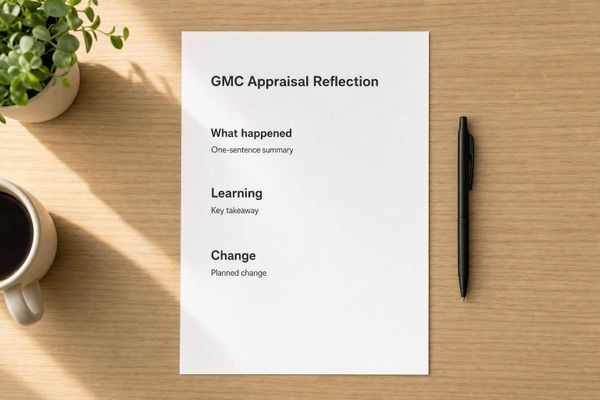
Make GMC appraisal reflections short and anonymised: state what happened, the learning, and the change with a simple template.
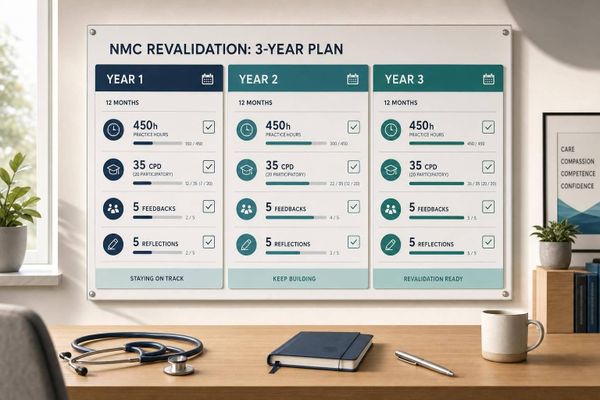
Practical three‑year NMC revalidation plan: log 450 practice hours, 35 CPD (20 participatory), five feedbacks and five reflections.
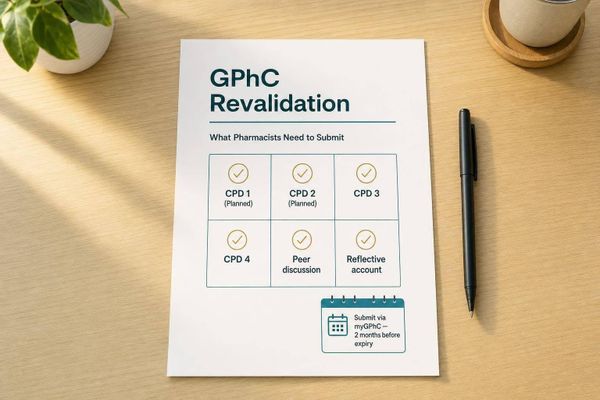
GPhC revalidation checklist: submit 4 CPD (≥2 planned), 1 peer discussion and 1 reflective account via myGPhC two months before expiry.
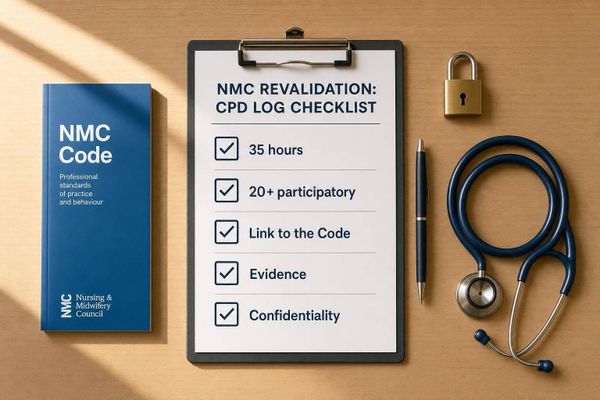
Your CPD log must prove 35 hours (20+ participatory), link entries to the Code, include evidence and protect confidentiality.
A fast, plain guide to writing reflective practice: pick one event, answer What? So what? Now what?, anonymise and file for CPD.
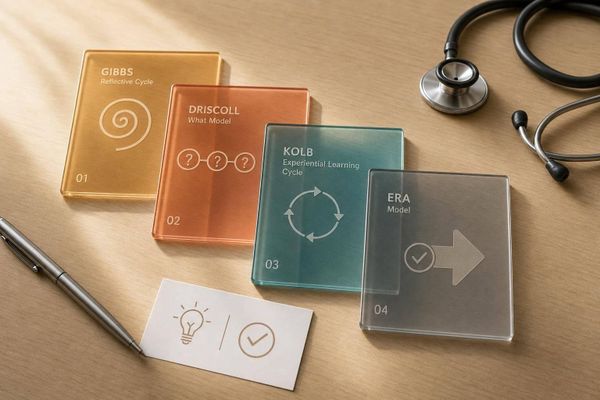
Use structured reflection (Gibbs, Kolb) to learn, set SMART actions, protect patient confidentiality and avoid rumination.
Improve reflective practice by avoiding 10 common errors: be analytical, link to standards, protect confidentiality and act on feedback.
Anonymise reflective notes and store them securely to meet UK professional standards and protect patients.
Five practical reflective models for healthcare students that improve clinical judgement, CPD and everyday decision-making.
Practical steps to prepare five NMC reflective accounts, link each to the Code, preserve confidentiality and record your discussion.
A practical six-step framework for healthcare professionals to turn clinical experiences into measurable improvements.